Photo by Sixteen Miles Out on Unsplash
How to Make Edibles From Any Recipe
Every good homemade edible follows the same six steps. Learn them once and you can infuse brownies, dressings, soups or breakfast without guessing at the dose.
What makes a recipe work as an edible?
THC dissolves in fat, not water. That single fact decides everything else. A recipe that already contains butter, oil, cream or another fat can carry an infusion, because you simply swap some of that fat for an infused one. A recipe with no fat, like plain tea or a fruit salad, needs a fat added on purpose, such as a spoonful of infused coconut oil stirred into a latte.
The second thing that matters is portioning. An edible is only as safe as your ability to say how much THC is in one serving. Recipes that cut into equal pieces, or that are served one measured spoonful at a time, make that easy. A shared pot of soup or a bowl of dip makes it almost impossible.
Step 1: Pick a base infusion
Nearly every homemade edible starts from one of three infused fats. Make a batch once and it becomes an ingredient you can use for weeks.
- Cannabutter for classic baking: brownies, cookies, cakes and anything where butter is part of the flavour. See how to make cannabutter.
- Coconut oil for no-bake treats, gummies, drinks and dairy-free cooking. See how to make cannabis coconut oil.
- Olive oil for savoury food: dressings, pasta, bread and finishing drizzles. See the infused olive oil recipe.
Whichever you choose, decarb the flower first. Raw cannabis contains THCA, which does very little until heat converts it. The decarb guide has the time and temperature.
Step 2: Work out the dose before you cook
Decide how strong one serving should be before a single ingredient goes in the bowl. Start from the total THC in your infused fat, then divide it by the number of servings the recipe makes.
For example, if the butter going into a tray of 16 brownies holds 80 mg of THC in total, each brownie is 5 mg. If that is too strong for the people eating them, use less infused butter and make up the rest with plain butter. The infusion calculator estimates the strength of your butter or oil, and the dosage calculator turns it into milligrams per piece.
A common starting point is 2.5 mg of THC for someone new to edibles and 5 mg for someone with experience. The starting dose quiz gives a personal number.
Step 3: Swap the fat, don't add to it
Replace the recipe's own butter or oil with the same amount of infused fat, one for one. Adding infused fat on top of what the recipe already calls for changes the texture: cookies spread, brownies turn greasy, dressings split.
When the full amount would make each piece too strong, split it. A recipe that calls for half a cup of butter can take a quarter cup of cannabutter and a quarter cup of plain butter. The texture stays the same and the dose halves. Remember that a cup of butter in does not mean a cup of cannabutter out: the flower keeps some, so check the butter yield converter before you start.
Step 4: Mix it evenly
Uneven mixing is the main reason one piece of a batch hits much harder than another. Melt the infused fat completely, stir it into the other wet ingredients first, and only then fold in the dry ones. Scrape the bowl and mix a little longer than feels necessary.
For drinks and dressings, shake or whisk right before each serving, because fat separates from water as it sits. Infused oil floats, so the last pour from an unshaken bottle is the strongest.
Step 5: Keep the heat gentle
Normal baking is fine. The oven may be set to 350°F, but the inside of a batter stays far cooler while it still holds moisture, so very little THC is lost. What does destroy it is high, direct heat: frying in infused oil, searing, or reducing a sauce on a hard boil.
For savoury cooking, cook the dish normally and add the infused oil or butter at the end, off the heat or just before serving. It tastes better that way too. The cooking temperatures guide has the details.
Step 6: Cut equal pieces and label them
Bake in an even layer and cut equal pieces. A ruler helps; a kitchen scale is better. If the batch weighs 800 g and there are 16 pieces, each should weigh about 50 g.
Then label the container with what it is, the date, and the milligrams of THC per piece, and store it away from ordinary food and out of reach of children and pets. The batch label maker prints a label in a minute.
Which recipes work best?
- Best: anything cut into equal pieces (brownies, bars, cookies, gummies, chocolate) and anything finished with one measured spoonful (dressings, drizzles, a swirl of infused cream).
- Good with care: drinks and smoothies, as long as each glass is dosed on its own and stirred well.
- Avoid dosing the whole thing: shared pots, dips and anything people help themselves to. Make the dish plain and dose one portion instead, as in the pizza night recipe.
Common questions
Can you turn any recipe into an edible?
Almost any recipe that already contains butter, oil or another fat can carry an infusion, because THC dissolves in fat. The ones that work best are recipes you can cut into equal portions, like brownies, cookies, bars and gummies, or recipes where one measured spoonful goes onto one serving, like a dressing or a finishing oil.
Do you replace all the butter with cannabutter?
Only if the numbers say so. Work out the dose per serving first. If replacing all of the butter would make each piece too strong, replace part of it and use plain butter for the rest. Swapping like for like keeps the recipe's texture the same.
Does baking destroy THC?
Not at normal baking temperatures. The oven might be set to 350°F, but the inside of a batter stays much cooler while it still holds moisture, so very little THC is lost. The risk is direct, high heat, such as frying in infused oil, which is why infused oils are better added at the end.
How do I make sure every piece has the same dose?
Melt the infused fat completely and stir it through the wet ingredients before anything else goes in, then mix the batter thoroughly. Bake in an even layer, cut equal pieces, and weigh them if you can. Uneven mixing is the main reason one brownie hits much harder than the next.
What dose should a homemade edible be?
A common starting point is 2.5 mg of THC for someone new and 5 mg for someone with some experience. Make the pieces small enough that one piece is a sensible dose, rather than asking people to cut a large piece in half.
A quick note on safety
This guide is for adults of legal age where cannabis is legal, and it is educational, not medical advice. Homemade edibles have no legal THC limit, so the math is on you: start low, wait at least two hours before eating more, and never drive after an edible.
Recipes that use this
Original recipes that use this method.
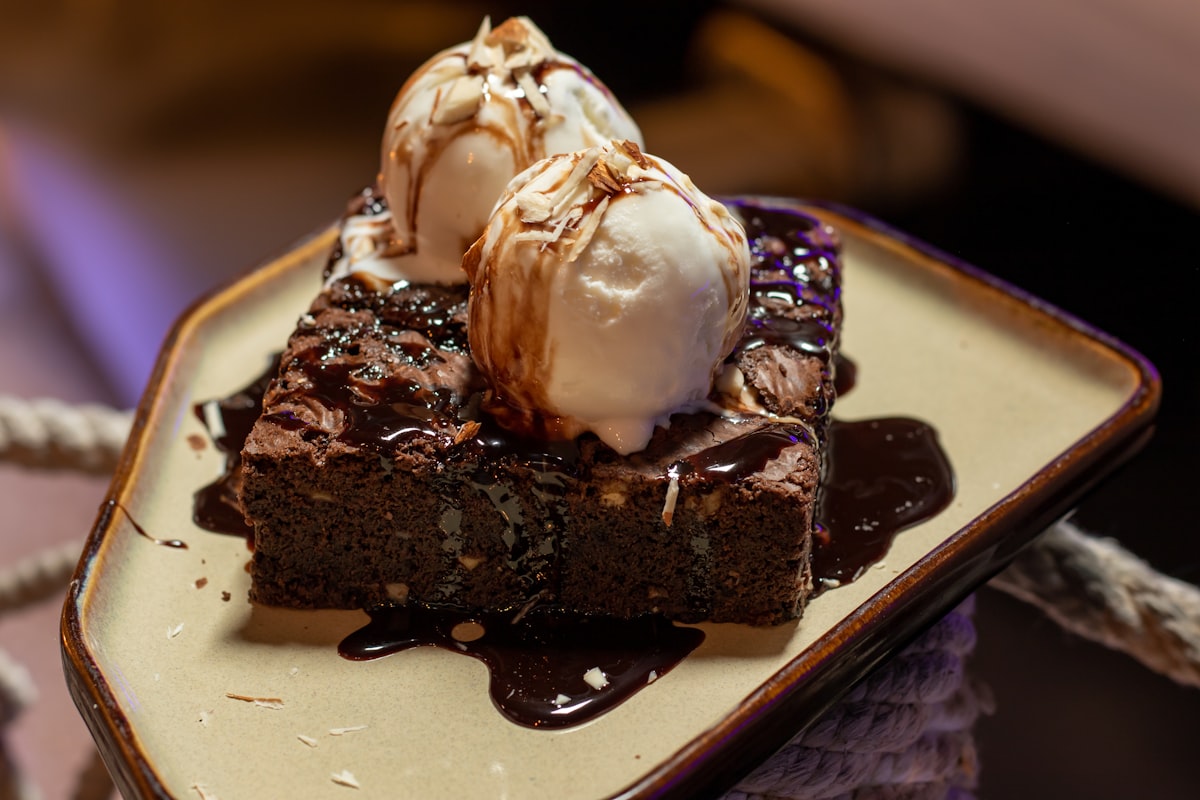
Classic Cannabis Brownies
Fudgy, deeply chocolatey, and reliably dosed. The edible everyone pictures, done properly.
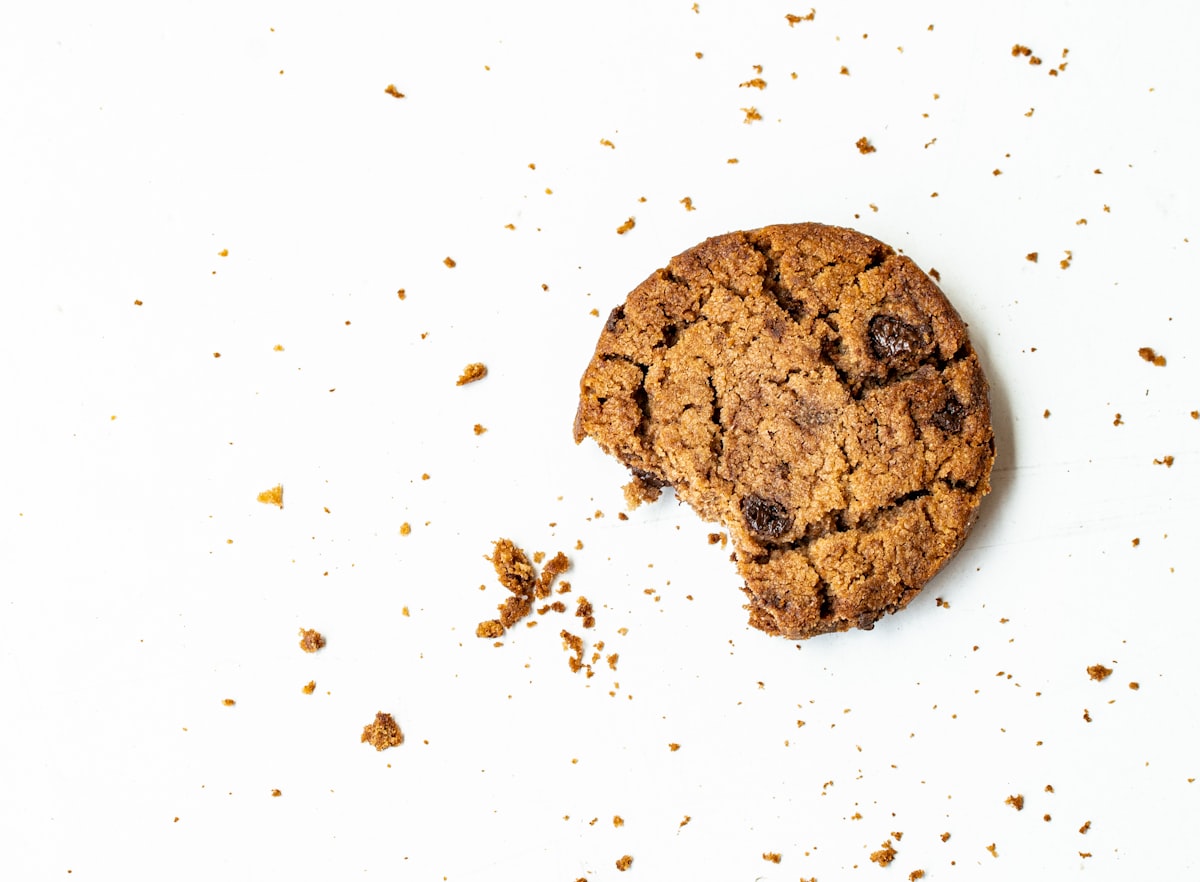
Infused Chocolate Chip Cookies
Chewy in the middle, crisp at the edge, and portioned for steady dosing one cookie at a time.
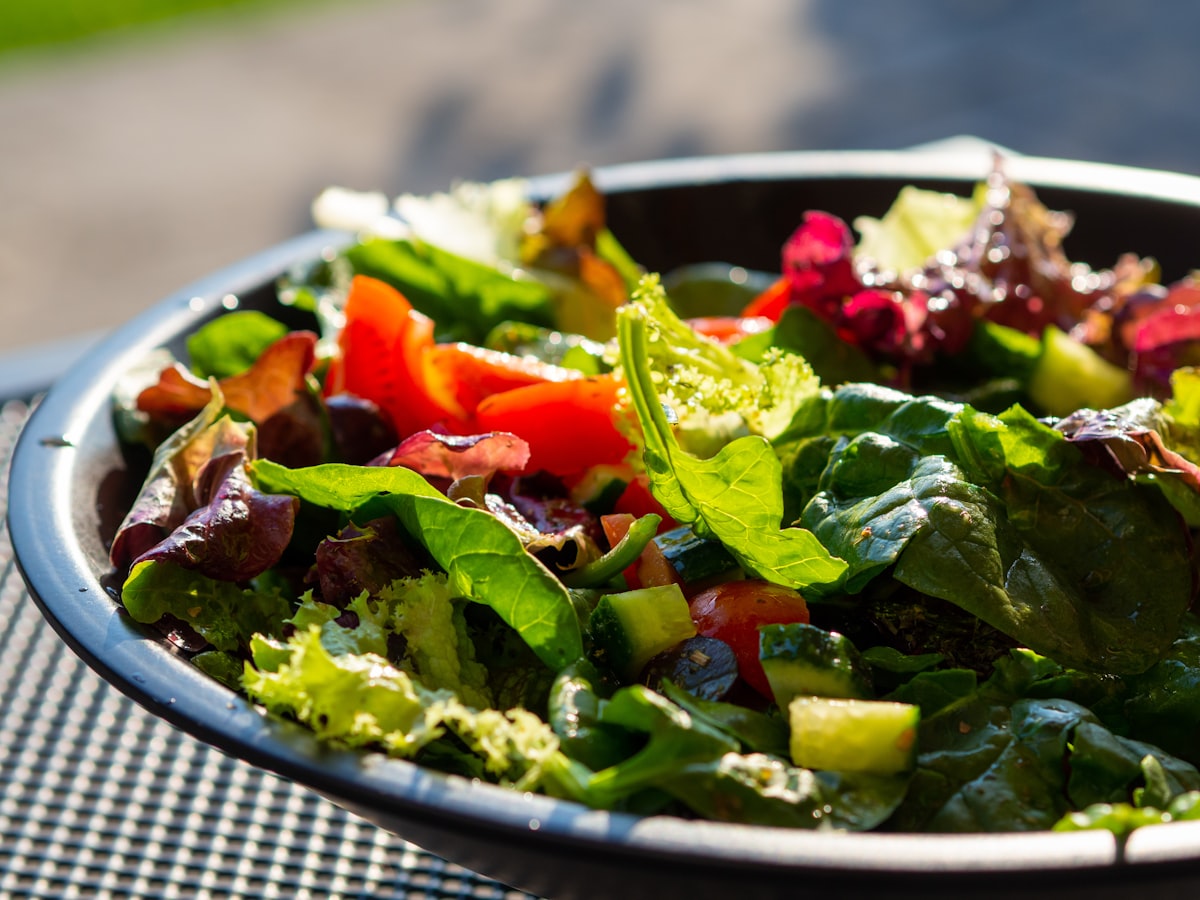
Lemon Herb Salad with Infused Vinaigrette
Crisp greens dressed in a bright lemon herb vinaigrette built on infused olive oil.
Read next
Know the dose of every piece you make
The Canabee app scales any recipe to your batch, works out milligrams per serving, and keeps a log of how each batch turned out. Free to start.