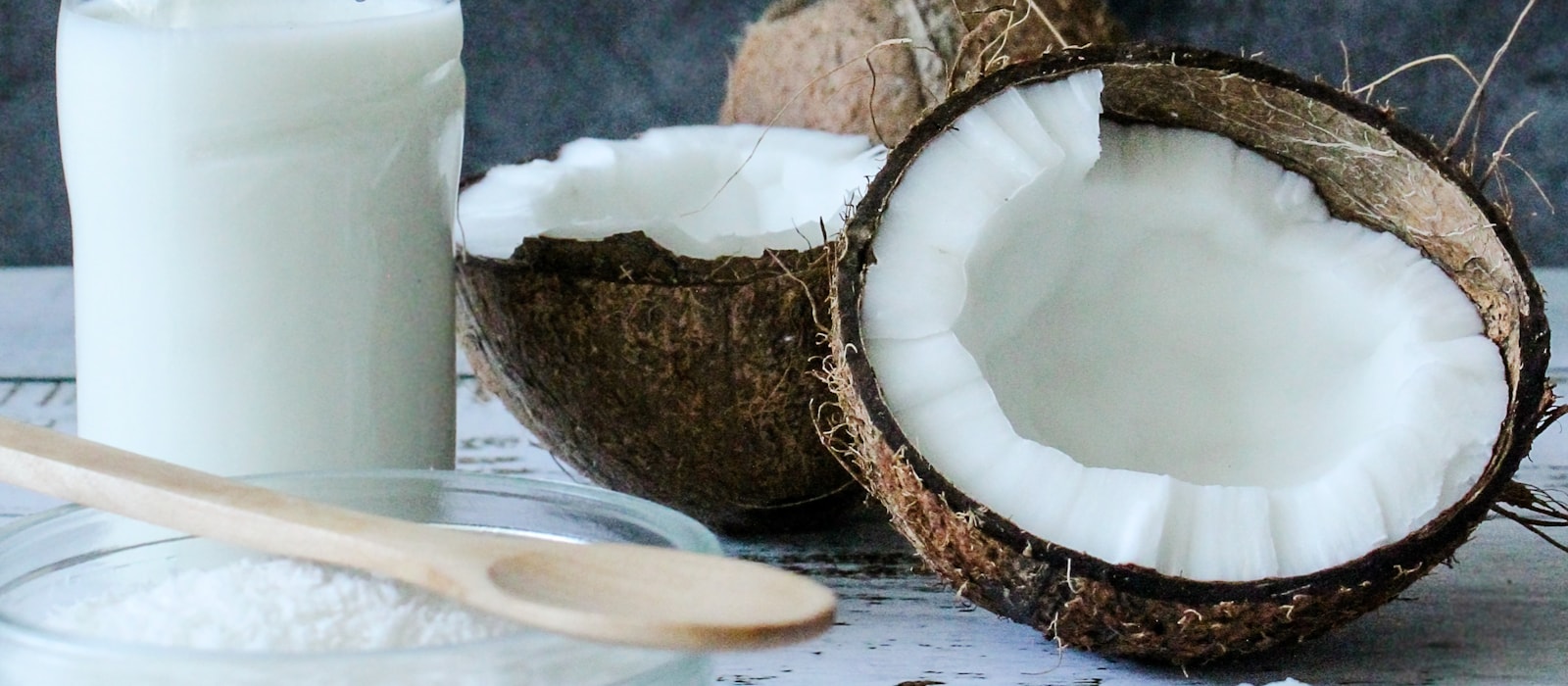
Photo by Tijana Drndarski on Unsplash
How to Make Cannabis Coconut Oil
The dairy-free workhorse of the infused kitchen: why coconut oil carries THC so well, the gentle method that keeps potency intact, and how to dose it reliably.
Why use coconut oil for cannabis infusions?
Cannabinoids like THC are fat soluble, so the more fat your base has, the more of them it can hold. Coconut oil is around 90% saturated fat, one of the highest of any common cooking fat, which makes it an efficient sponge for the cannabinoids you worked to activate.
It is also dairy-free and vegan, keeps for months, and is far more versatile than it looks. The same jar works in baking, stirred into coffee or a smoothie, packed into capsules, or used in savoury cooking and dressings. If you want a single base infusion to build edibles around, coconut oil is hard to beat.
How do you make cannabis coconut oil?
- 1. Decarb the flower. Grind your cannabis coarsely and heat it in the oven first so the THCA converts to active THC. See the decarboxylation guide for exact time and temperature.
- 2. Combine oil and flower. Add the decarbed flower to melted coconut oil in a slow cooker, double boiler, or saucepan. A rough starting ratio is 1 cup of oil to 7 to 14 grams of flower.
- 3. Infuse low and slow. Hold it at 160 to 200°F (70 to 95°C) for two to three hours, stirring now and then. Keep it below a simmer so you extract the cannabinoids without burning them off.
- 4. Strain. Pour through a cheesecloth-lined strainer and let gravity do the work. Squeezing hard pushes through chlorophyll and bitterness without adding much THC.
- 5. Store. Keep it airtight in a cool, dark place, or the fridge for longer life. Label it clearly with the dose.
A Herb grinder for an even grind and a Decarboxylator for hands-off, consistent decarb are the two pieces of kit that most improve your results here, because steadier decarb means more predictable potency.
How do you dose cannabis coconut oil?
Potency depends on the THC in your flower, how complete your decarb was, and how efficiently the infusion pulled cannabinoids into the fat. None of those steps is perfectly efficient, so the finished oil is usually milder than the raw label math suggests.
Estimate the total THC in the batch, then divide by how many servings the oil will make to get milligrams per serving. Run your specific numbers through the dosage calculator. Whatever the math says, start low and go slow the first time you cook with a new batch.
Coconut oil or cannabutter: which is better?
Both are excellent infused fats; the choice is about the dish and the diet. Coconut oil holds more cannabinoids per spoonful, is vegan and dairy-free, and shines in no-bake treats, capsules, drinks, and savoury cooking. Cannabutter has a richer flavour that suits classic bakes like brownies and cookies, where a buttery taste is part of the point.
If you want one base that does the most jobs, make coconut oil. If you are baking something where butter is the star, make cannabutter instead. The infusion method is nearly identical, so once you can make one you can make the other.
Common questions
Why use coconut oil instead of butter for edibles?
Coconut oil is roughly 90% saturated fat, and cannabinoids bind to fat, so it carries THC very efficiently. It is also dairy-free and vegan, has a long shelf life, and works in baking, capsules, coffee, and savoury dishes. Butter tastes better in some bakes, but coconut oil is the more efficient and versatile carrier.
How much cannabis do I need for coconut oil?
A common starting ratio is 1 cup of oil to 7 to 14 grams of flower, but the right amount depends on your flower's THC percentage and the strength you want. Estimate the total THC, divide by the number of servings, and check the figure in the dosage calculator before you cook.
What temperature should I infuse coconut oil at?
Keep it low, roughly 160 to 200°F (70 to 95°C), for two to three hours, and never let it boil. Sustained heat past about 300°F starts to destroy THC, so a gentle, steady warm is what pulls cannabinoids into the fat without cooking them off.
Do I have to decarb before infusing coconut oil?
Yes. Raw cannabis contains THCA, which is not intoxicating. Decarboxylation, gently heating the ground flower first, converts THCA into active THC. Skip it and your oil will be weak and grassy no matter how long you infuse.
How long does cannabis coconut oil last?
Stored airtight in a cool, dark cupboard it keeps for a few months, and longer in the refrigerator. It is solid at room temperature and melts easily, so label it clearly with the dose and keep it well away from children and pets.
A quick note on safety
This guide is for adults in places where cannabis is legal and is educational only, not medical advice. Infused oil can be far stronger than it tastes, so start low, go slow, and wait at least two hours before more. Label every batch with its dose and keep it well out of reach of children and pets.
Watch the 30-second version
All videosRecipes that use this
Original recipes that apply this guide.
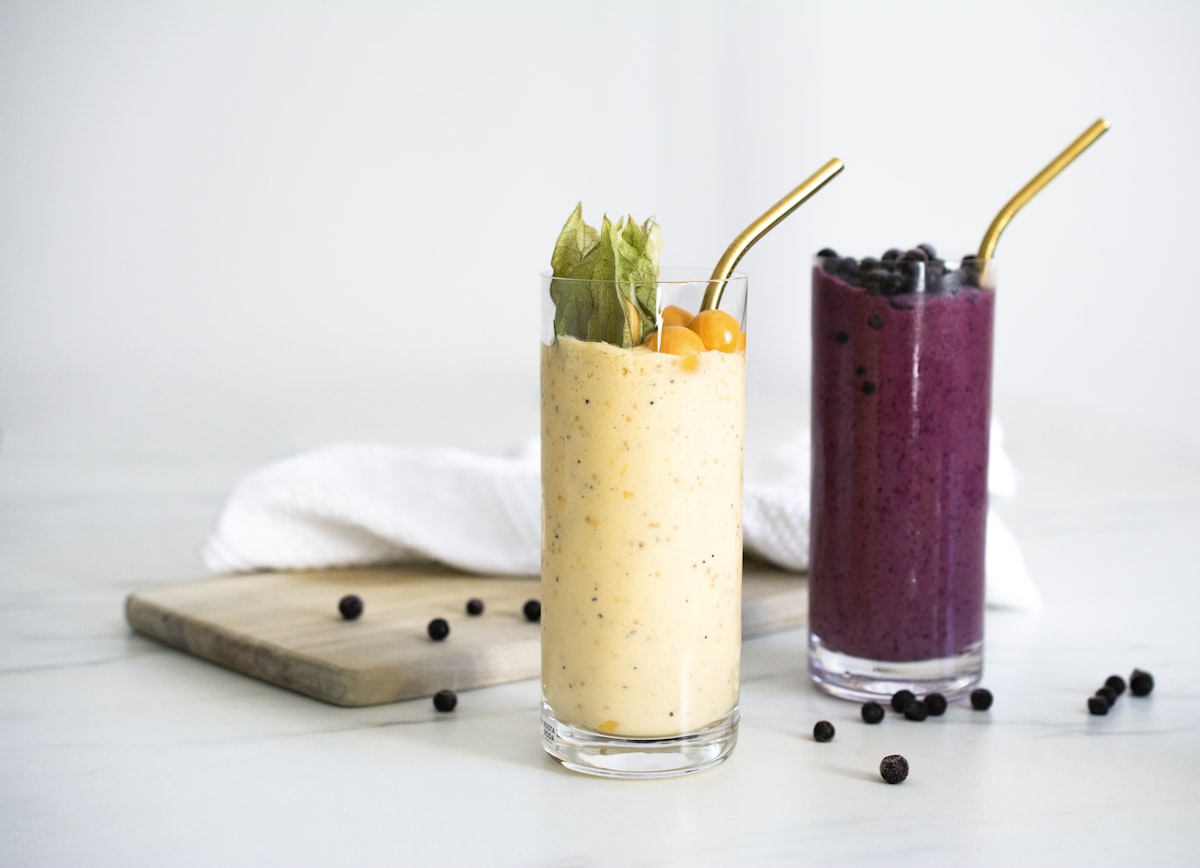
Mango & Coconut Infused Smoothie
A single-serve golden smoothie that carries its dose in a teaspoon of infused coconut oil, blended warm so it never clumps.
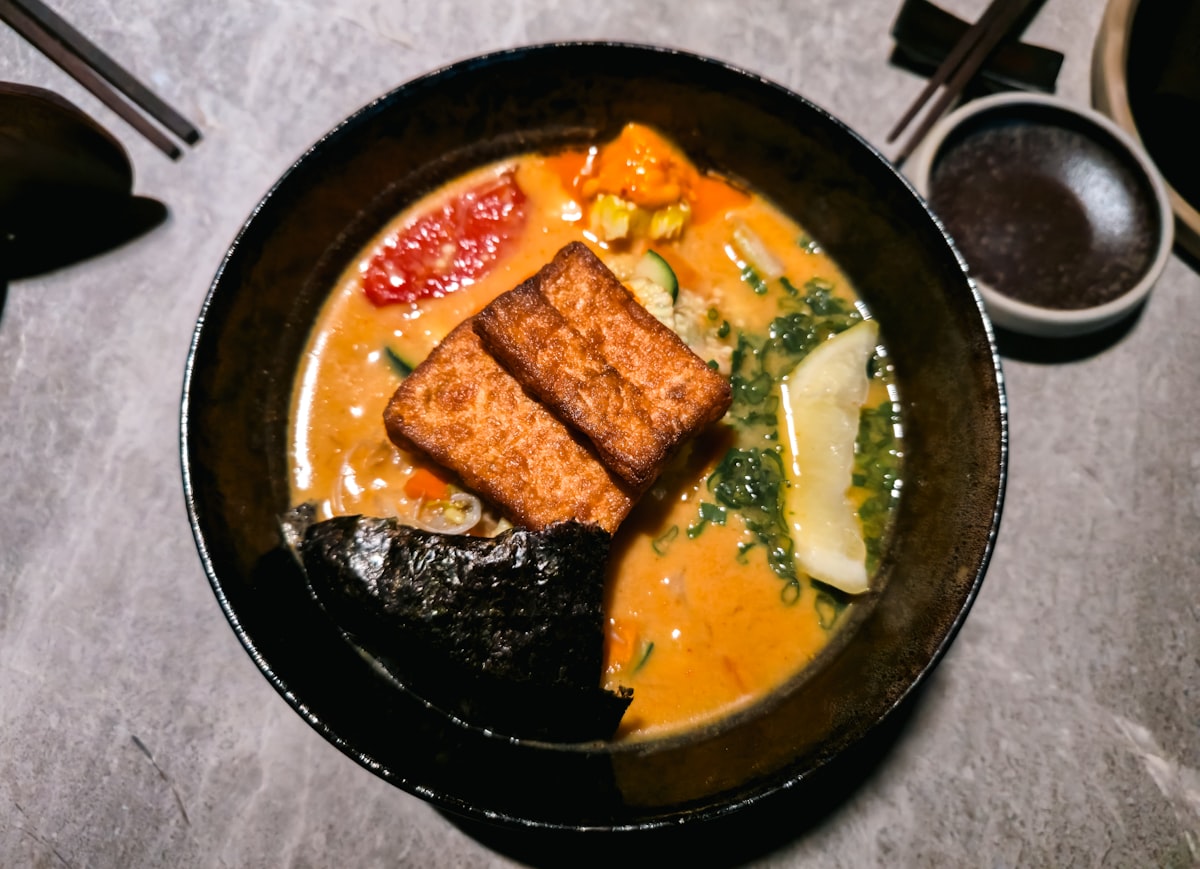
Coconut Curry Noodle Bowl with Infused Oil
A weeknight red-curry noodle bowl finished with infused coconut oil off the heat, so the dose survives and dinner tastes like takeout.
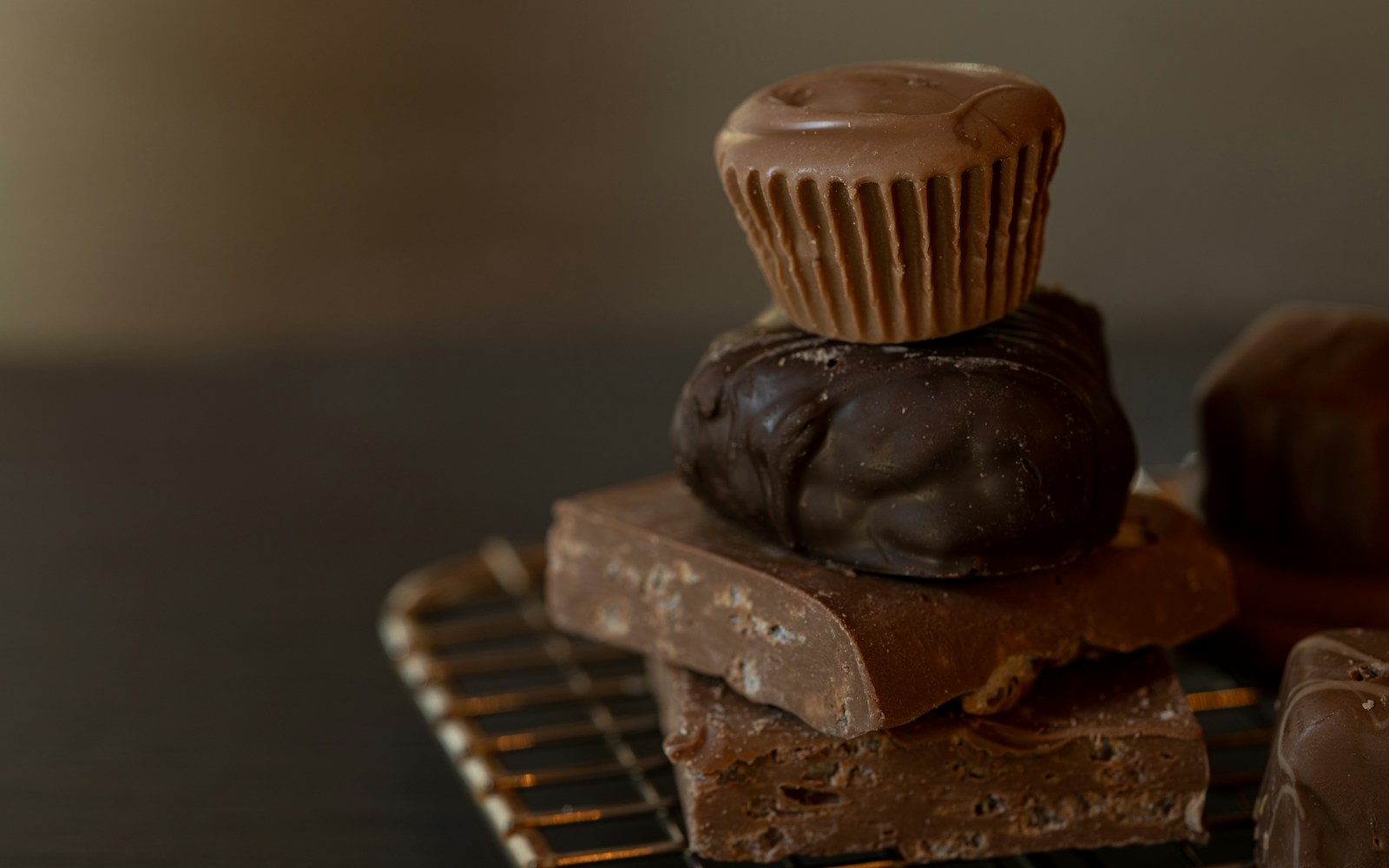
No-Bake Infused Peanut Butter Cups
Dark chocolate shells with a peanut-butter centre dosed through infused coconut oil. Freezer-set, no oven, and identical cups every time.
Read next
Estimate the strength of every batch of oil
The Canabee app puts the dosage and infusion calculators in your pocket, scales recipes to any serving count, and lets you log how each batch turned out. Free to start.