Photo by Rafael Ishkhanyan on Unsplash
How to Dose Homemade Edibles
Potency math for home cooks: the variables that matter, why real results differ from the label, and how to find your dose safely.
What decides an edible’s potency?
Every batch of homemade edibles depends on four inputs: how much flower you use, the THC percentage on that flower, how efficient your decarboxylation step is, and how well the infusion process pulls cannabinoids into your fat. Change any one of them and your final milligrams per serving shifts accordingly.
Start with flower weight in grams. One gram of cannabis contains 1,000 mg of dry plant matter, and the THC is a fraction of that. If your flower is labeled 20% THC, that gram contains roughly 200 mg of THC at the absolute maximum — before any heat or extraction steps take their cut.
THC percentage varies quite a bit across strains and batches, and the certificate of analysis from a licensed producer is the most accurate figure you can use. Store-bought cannabis may list a range; use the midpoint or the lower number to stay conservative.
Decarb efficiency accounts for how completely you converted raw THCA into active THC during the heating step. A well-controlled oven run at the right temperature and time converts most of the available THCA, but it is rarely 100%. Expect somewhere in the 75–90% range for a careful home decarb.
Infusion efficiency is how much of that activated THC actually binds into your butter or oil during the infusion step. THC is fat-soluble, but the process is never perfectly efficient. A typical stovetop infusion transfers roughly 60–80% of available THC into the fat. A dedicated machine tends to do better because temperature is held steady.
Finally, divide by the number of servings in your batch to get milligrams per piece. Use the Canabee dosage calculator to run through these numbers instantly — adjust the sliders and watch how changing efficiency estimates affects the per-serving dose.
Why is my edible weaker than the math says?
A common frustration for new home cooks: you do the math, arrive at a number that sounds strong, and then find the finished product is noticeably milder than expected. This is normal, and it has a straightforward explanation.
The raw THC percentage on the package describes what is in the flower before any processing. Two separate steps — decarboxylation and infusion — each introduce losses. If your decarb converts 80% of available THCA and your infusion captures 70% of the resulting THC, you retain about 56% of the theoretical maximum. That gap between the label number and the finished-product number surprises a lot of first-time cooks.
Fat binding matters too. THC attaches to fat molecules, so the fat content and type in your base (butter versus oil, for example) affects how much carries over into the final product. Butter with a higher fat content tends to hold more cannabinoids than a lean cooking oil. Squeezing the straining cloth hard after infusion can push more plant material through, adding chlorophyll and bitterness without necessarily adding more THC — let gravity do the draining instead.
A Decarboxylator gives you one clear advantage here: it holds an accurate temperature for a set duration, which removes the guesswork from the decarb step and tends to push efficiency toward the higher end of the range. More consistent decarb means more predictable infusion, which means fewer batches that end up weaker (or stronger) than planned.
How to find your dose safely: start low, wait, repeat
The most important rule in edibles is also the most ignored: start low and go slow. Because edibles are processed through digestion rather than absorbed directly into the bloodstream, the onset can take anywhere from 30 minutes to two hours depending on your metabolism, what else you have eaten, and the fat content of the edible itself.
For someone new to edibles, a first dose in the range of 2.5–5 mg THC is a sensible starting point. Eat one piece, note the time, and then genuinely wait. Two hours is not excessive — it is the minimum for confident assessment before deciding if you want more.
The classic mistake is consuming more at the one-hour mark because “nothing has happened yet,” only to have both doses arrive together an hour later. This stacking effect is responsible for most uncomfortable edible experiences and is almost entirely preventable by patience.
Once you know how a given batch affects you, you can titrate up gradually over subsequent sessions. Keep notes — even informal ones — about dose, onset time, and intensity. The same batch can feel different on an empty stomach versus after a large meal. Building a personal data set over a few sessions is far more useful than chasing a single “right” number.
Making smaller, more consistent pieces helps enormously with this process. Silicone molds are ideal for gummies and chocolates because each cavity holds the same volume — meaning each piece carries roughly the same dose as every other piece in the batch.
This guide covers the principles; to put actual numbers to your batch, head to the dosage calculator and enter your specific inputs.
A quick note on safety
This guide is for adults in places where cannabis is legal and intended for educational purposes only. Nothing here is medical advice. If you have questions about cannabis and your health, speak with a qualified healthcare provider. Keep edibles clearly labeled and well out of reach of children and pets.
Watch the 30-second version
All videosRecipes that use this
Original recipes that apply this guide.
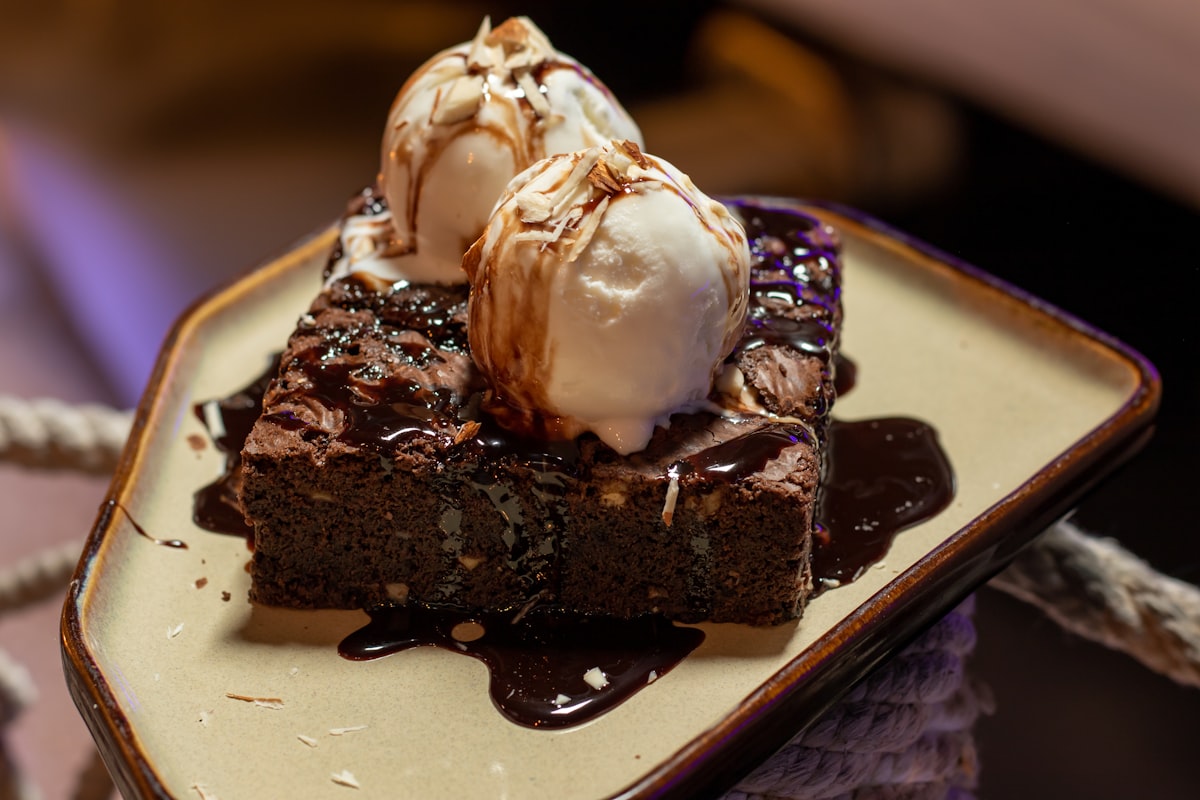
Classic Cannabis Brownies
Fudgy, deeply chocolatey, and reliably dosed. The edible everyone pictures, done properly.
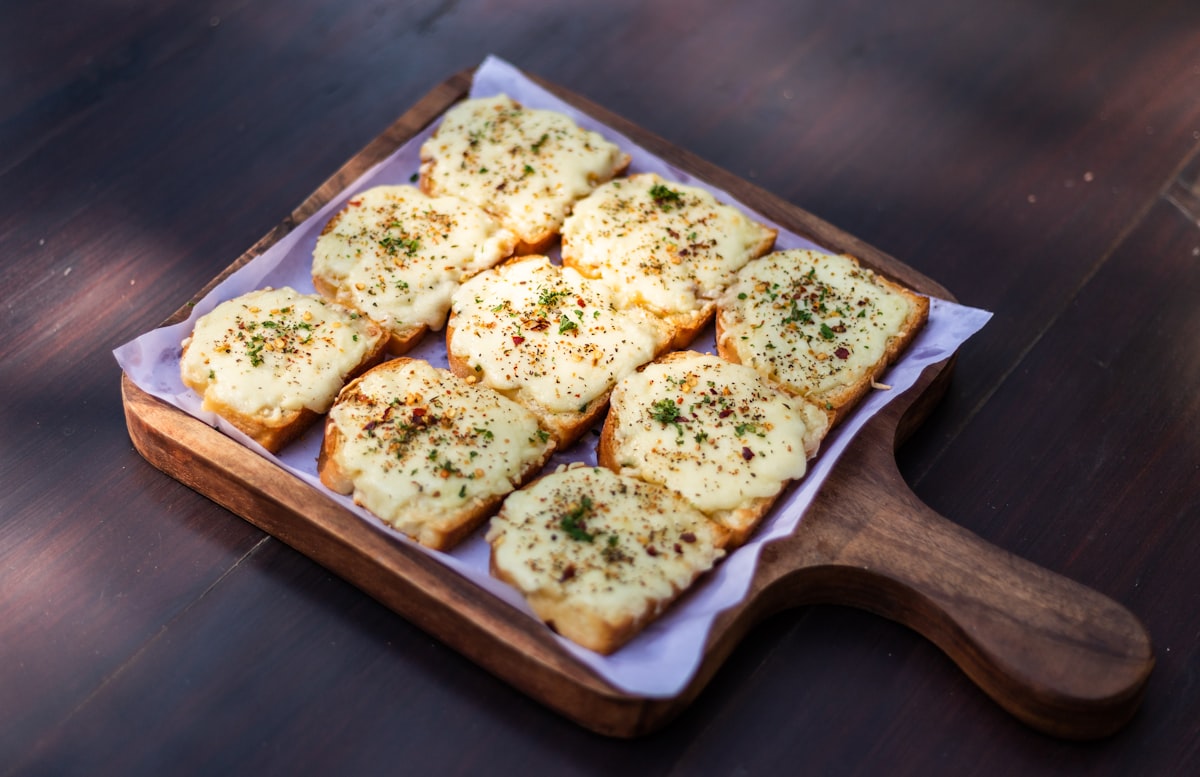
Infused Garlic Bread
A baguette spread edge to edge with roasted-garlic infused butter, sliced into even pieces so the bread does the portioning for you.
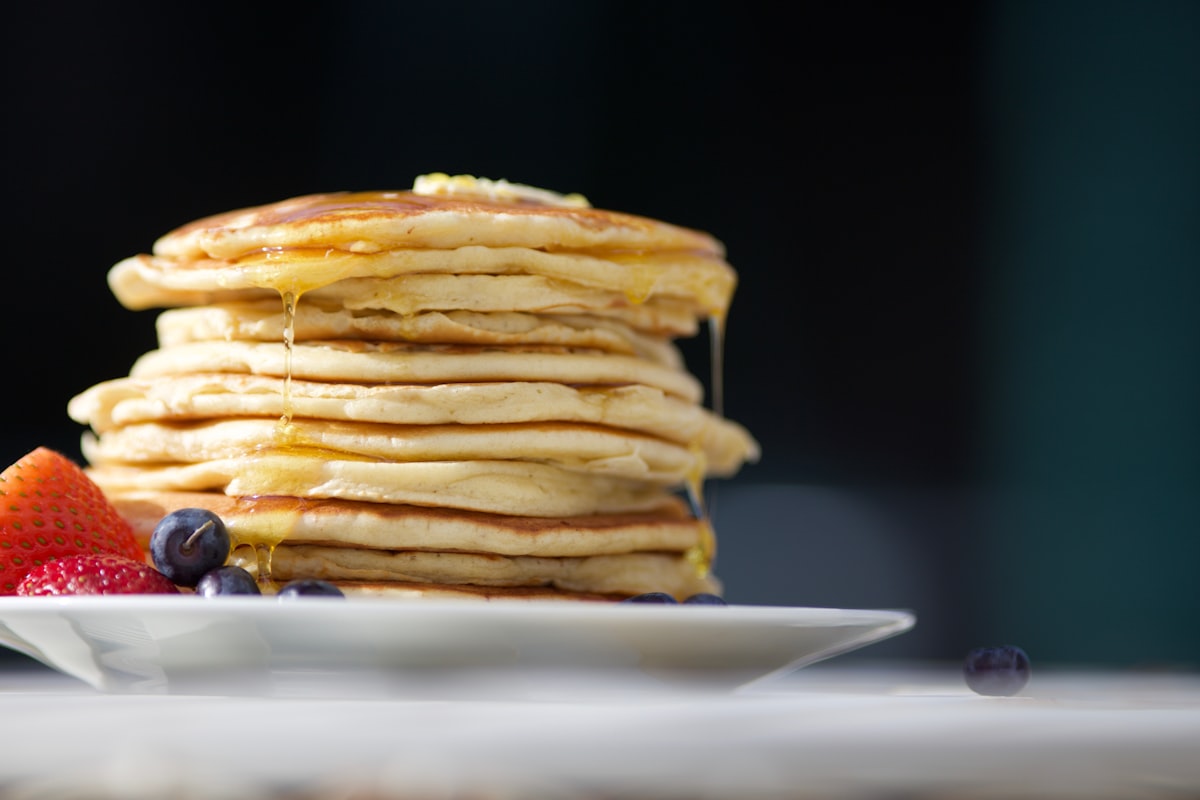
Infused Pancakes with a Measured Butter Finish
Fluffy buttermilk pancakes cooked plain, then finished with one measured pat of infused butter per plate, so the griddle never touches the dose.
Read next
Run the numbers, log your dose, and track every batch
The Canabee app puts the dosage calculator in your pocket, lets you log how each batch turned out, and scales recipes to any serving count. Free to start.