What are terpenes, and do they survive cooking?
Terpenes are the aromatic oils that make one flower smell like pine and another like grapefruit. They are not unique to cannabis — the lavender in your soap and the zest on your pasta are terpenes too — but in cannabis they carry most of the flavour and, possibly, some of the character.
What do terpenes actually do?
Two jobs, one certain and one debated. The certain one is sensory: terpenes are why strains taste and smell different, and flavour is no small part of a well-made edible. The debated one is the 'entourage effect' — the idea that terpenes and minor cannabinoids modulate THC's effects. The evidence is suggestive rather than settled, so treat strain-specific effect claims with friendly skepticism.
The names worth knowing: myrcene (earthy, mango, the most common), limonene (citrus), pinene (pine), linalool (lavender floral), caryophyllene (pepper, also binds CB2 receptors), and terpinolene (fruity-herbal). A dispensary label listing them is telling you the flower's flavour profile.
Does cooking destroy terpenes?
Some of them, yes — terpenes are volatile and start evaporating well below the temperatures that activate THC. Every stage takes a toll: decarbing costs some, a long hot infusion costs more, and a 350 F bake takes another bite. This is why edibles rarely taste like the flower they came from, and why the strain's aromatic personality fades on the way to the brownie.
You can keep more by working gently: decarb at the low end (around 115 C / 240 F), infuse low and slow rather than at a rolling simmer, keep lids on, and where a recipe allows, add infused oil late or use no-bake formats. Cold-start methods and gentle water baths are the terpene-preservation tools of choice.
Should you cook for terpenes at all?
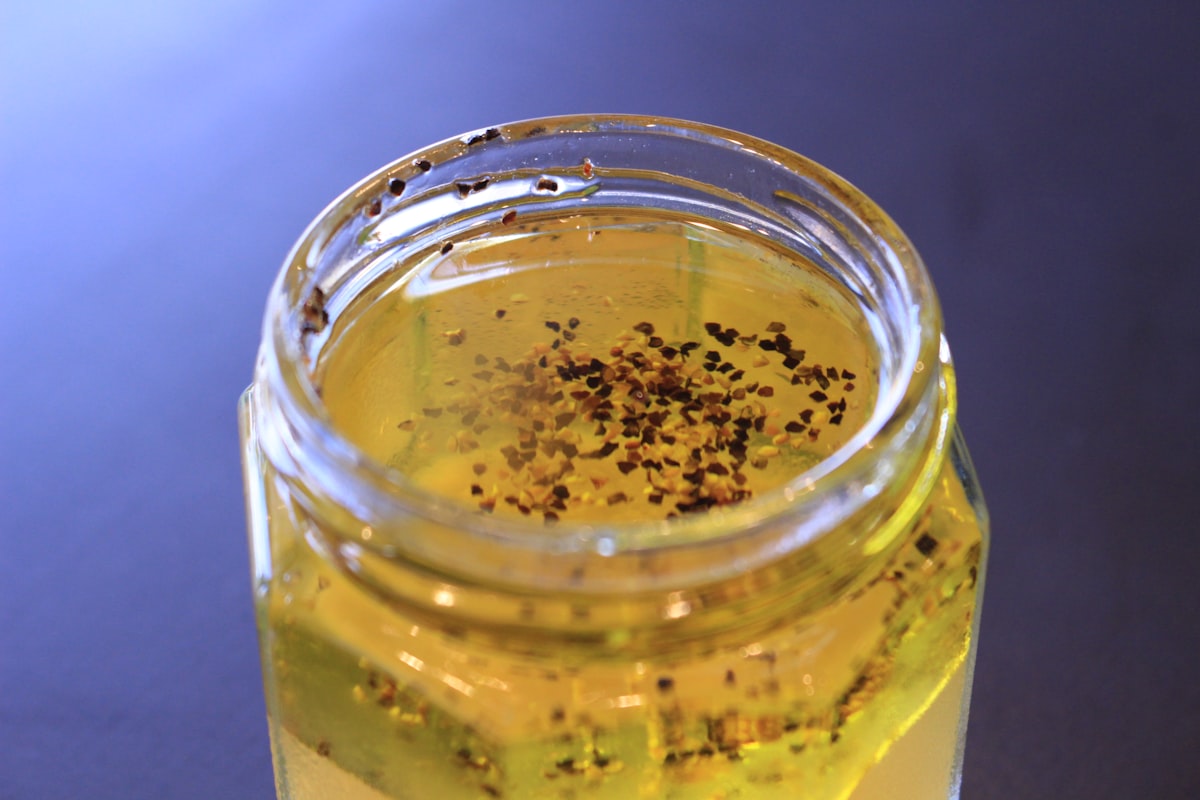
For flavour, absolutely — a fragrant olive oil infusion drizzled raw over a finished dish is a genuinely different product than the same oil baked anonymous. For effects, dose and ratio still run the show. Cook gently for the taste, dose carefully for the night.
Keep going
Frequently asked questions
Are terpenes psychoactive?
Not intoxicating on their own. Whether they meaningfully modulate a THC high — the entourage effect — is still an open research question.
At what temperature are terpenes lost?
The most volatile begin evaporating around 100 C (212 F) or lower, which is below decarb temperature — gentle heat throughout preserves the most.
Which terpene is most common in cannabis?
Myrcene, the earthy-mango one, dominates most modern cultivars and is often blamed for heavier-feeling strains.
Educational content for adults of legal age, not medical advice. Cannabis affects everyone differently — start low, go slow.