Photo by Tu Trinh on Unsplash
How Long Do Edibles Take to Kick In?
Why the onset window varies so widely, what factors speed it up or slow it down, and the one rule that prevents most bad edible experiences.
Prefer it interactive? The free Edible Onset Timeline turns this guide into a personal timeline from your dose, stomach, and experience level.
How long do edibles take to kick in?
Most people feel the effects of a standard edible somewhere between 30 minutes and 2 hours after eating it. That is a wide range, and the variation is real — not just anecdotal. The delay happens because edibles take a fundamentally different path through your body than inhaled cannabis does.
When you swallow an edible, the cannabinoids travel through your digestive system and are absorbed through the walls of the small intestine. From there they move to the liver, where they are metabolised before entering the bloodstream and eventually reaching the brain. This multi-step journey simply takes time — and every step introduces variables that make the experience slightly different from person to person and even session to session.
The effects of edibles also tend to last considerably longer than other consumption methods — often four to eight hours, sometimes more. Because the liver converts THC into a longer-acting compound, the experience builds slowly, peaks, and then fades gradually rather than arriving and leaving quickly. Planning for this duration is as important as knowing when things will start.
What affects how fast an edible kicks in?
Whether you have eaten recently is the single biggest practical variable. An empty stomach speeds up absorption because your digestive system has nothing else to process, so the edible moves through quickly and the cannabinoids hit your intestinal walls relatively fast. A large, fatty meal right before or alongside an edible slows gastric emptying, which means the edible sits in your stomach longer before the absorption process begins. The irony is that fat in a meal can also improve total absorption — so a fatty meal might slow onset but amplify the final effect.
Your individual metabolism matters too. People process cannabinoids at different rates, and even the same person will have different experiences depending on sleep, hydration, and overall digestive health on a given day. There is no reliable formula for predicting individual onset from first principles; experience with your own body is the best guide.
The dose plays a role in perceived onset. A larger dose often feels like it kicks in faster simply because the effect is more pronounced when it arrives and easier to notice. A very small dose might take the full two hours and still feel subtle when it lands. This is one reason starting low can make it harder to gauge onset — which is worth keeping in mind when you are building experience with a new batch.
Edible type also influences timing. Baked goods and solid foods take longer to break down than beverages or dissolvable products. Chocolates and hard candies that are allowed to melt slowly in the mouth can deliver some absorption through the mucous membranes before swallowing, giving a head start on the usual digestion pathway. Pure sublingual products — tinctures held under the tongue — are a different category that can onset in under 30 minutes, much closer to the speed of inhalation.
How long should you wait before taking more?
The most common unpleasant edibles experience follows a predictable pattern: a person eats one serving, nothing happens after an hour, they assume the edible was not potent or they need more, they eat a second serving, and then both doses arrive around the same time with full force. This “double dose collision” is so widespread that it deserves its own explanation.
The reason it happens so reliably is that an hour after eating an edible — often exactly the point at which nothing feels like it has started yet — the first dose is actually well into the digestive process. It has simply not completed enough of its journey to be felt. The window between “nothing yet” and “fully felt” can be short once the process gets going, especially on an empty stomach.
A practical rule that works well in practice: choose your dose, eat it, set a timer for two hours, and commit to waiting until that timer goes off before making any decision about more. If after two hours you feel nothing at all, you can consider a small additional amount. If you feel something but not quite what you were hoping for, wait another hour before reassessing. Patience is the entire skill set here.
First-time edible consumers, or anyone trying a new homemade batch for the first time, should plan the session for a time when they have no responsibilities for at least six to eight hours. The unpredictability of the onset window makes it unwise to time edibles around activities or commitments.
Planning servings and keeping portions consistent
One practical thing you can control is how consistent your serving sizes are. Brownies cut by hand vary a lot in size, which means they vary in dose. If the corner piece is 40% larger than the middle piece, it carries roughly 40% more THC — and that difference will be felt. A kitchen scale takes the guesswork out of portioning anything that gets cut into pieces.
For gummies or chocolate-based edibles, silicone molds solve the problem at the production stage rather than the slicing stage. Each cavity holds the same volume, so each piece comes out the same size without any measuring. Silicone gummy molds come in a huge range of sizes and shapes, and using consistent mold volumes means your dose calculations actually transfer reliably from the calculator to the finished product.
Speaking of calculations: once you know your infused butter or oil potency, the Canabee dosage calculator lets you divide the total batch THC across however many servings you plan to make. Dialing in the number of pieces before you pour the molds means each piece carries a dose you have actually thought through — rather than one you are guessing at after the fact.
The golden rule
Start low, go slow, and wait the full two hours. This one habit prevents the large majority of uncomfortable edible experiences. Nothing here is medical advice; always follow the laws of your region and consult a healthcare professional if you have questions about cannabis and your personal health.
Recipes that use this
Original recipes that apply this guide.
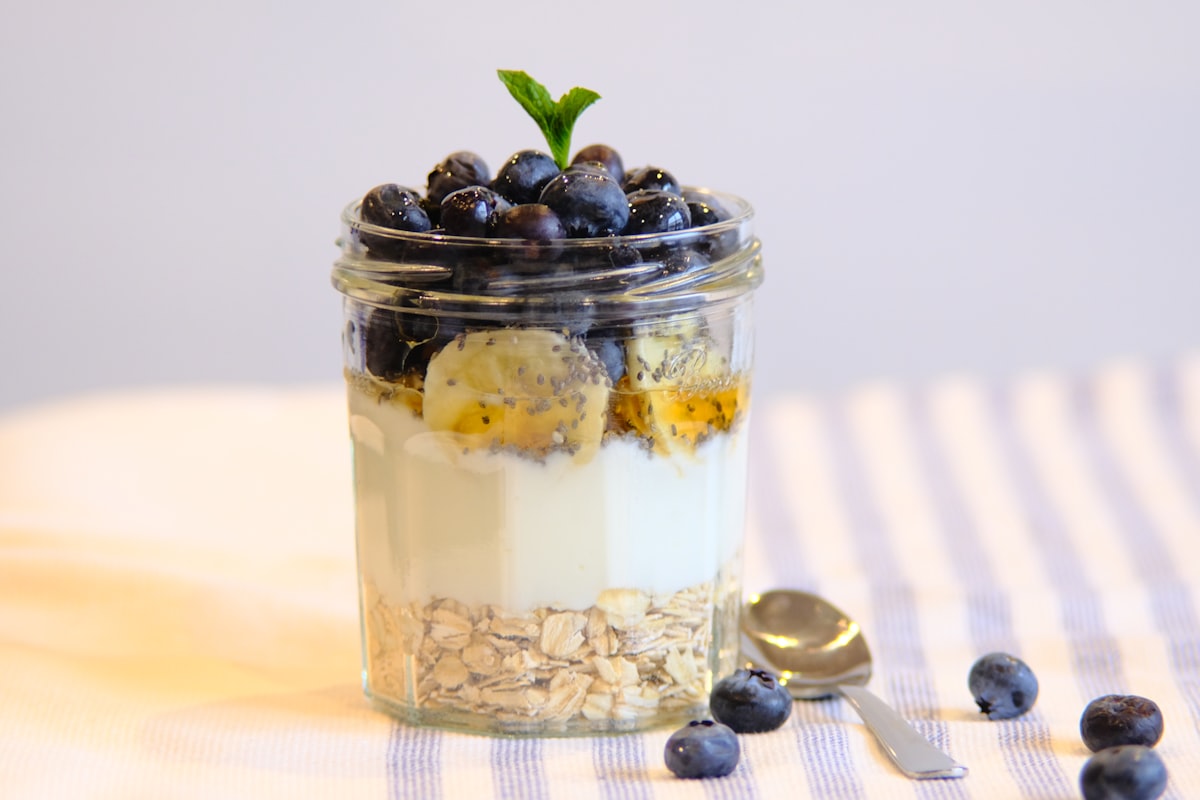
Infused Blueberry Overnight Oats
No-cook, make-ahead oats with a microdose lift and a burst of blueberries.
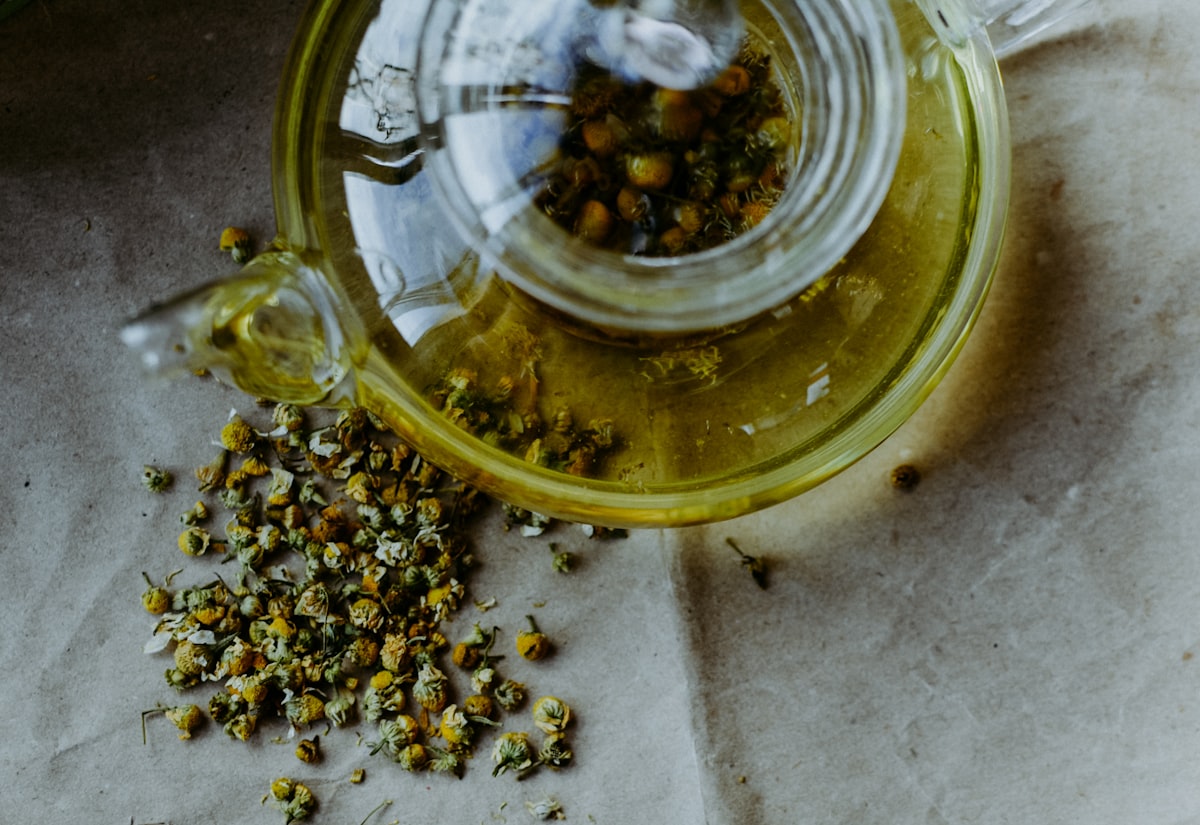
Infused Chamomile Evening Tea
A warm, calming cup for winding down, with a low and gentle infused lift.
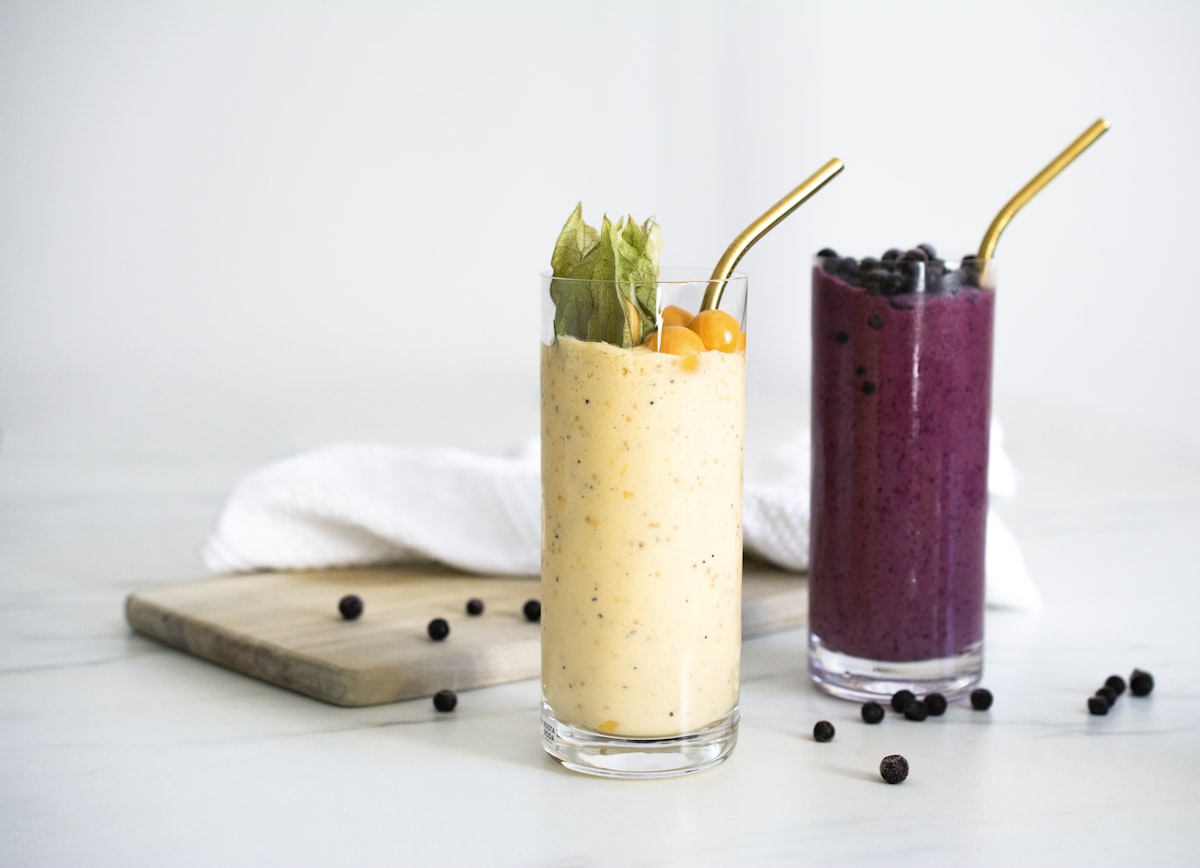
Mango & Coconut Infused Smoothie
A single-serve golden smoothie that carries its dose in a teaspoon of infused coconut oil, blended warm so it never clumps.
Read next
Calculate your serving size and log every batch in Canabee
The Canabee app puts the dosage calculator in your pocket and lets you log how each batch worked out — so your notes from session to session actually go somewhere useful. Free to start.